Which Small Gadgets Earn Their Drawer Space
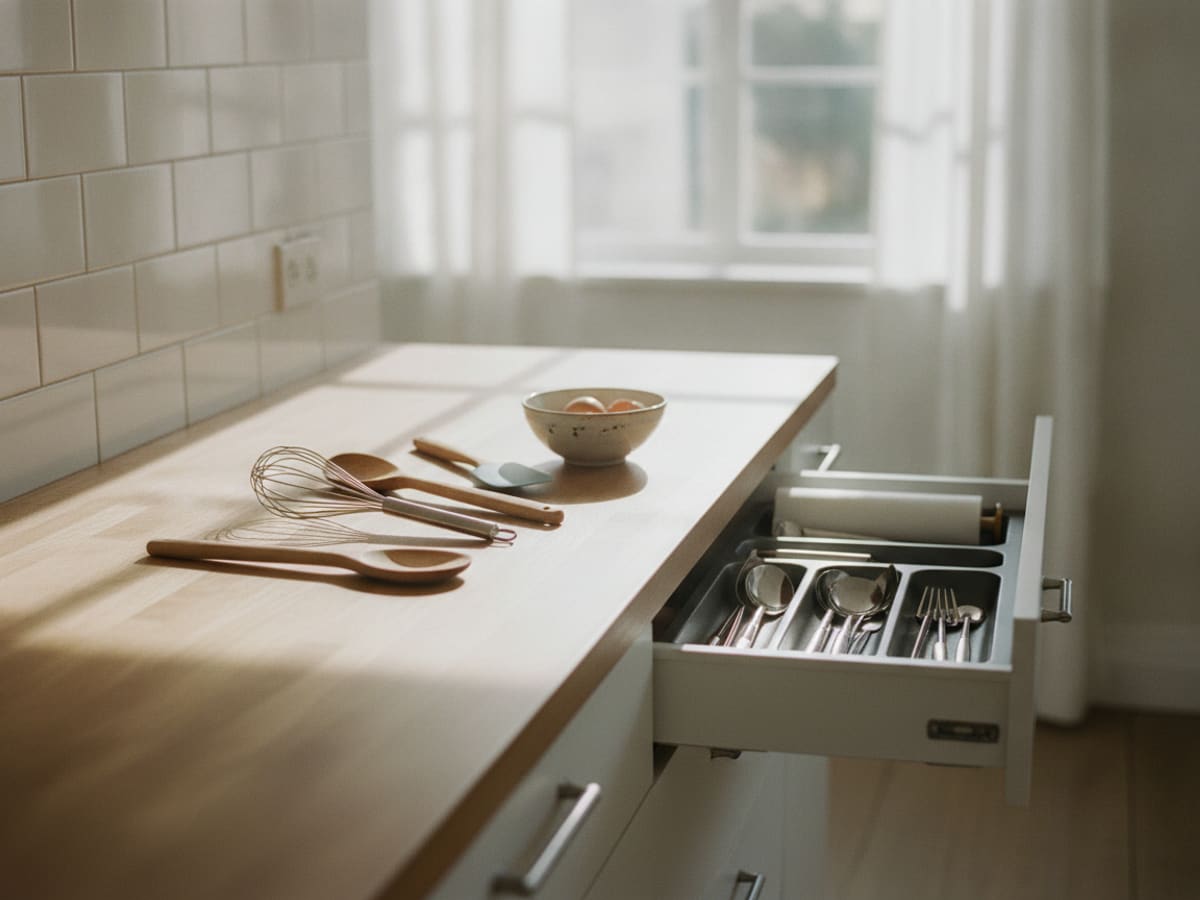
Gadgets promise convenience, but only a few solve real problems in daily life. This story offers a way to judge them before they clutter your counters.
The question to ask before any gadget
Before you buy, borrow, or accept a gadget as a gift, ask one thing: what specific annoyance will this remove from my week?
If you can answer in a single sentence, you're probably onto something. "It will stop me from digging through the junk drawer for a bottle opener" is a real answer. "It looks handy" or "it might come in useful" is not. Those are hopes, not problems.
Notice, too, how often the annoyance happens. A task you do daily deserves a better tool than a task you do twice a year. A gadget that solves a rare problem has to be small, cheap to store, or easy to borrow to justify itself.
Problems worth solving versus novelty
Novelty is the feeling that a gadget is clever. A real problem is the feeling that something keeps going wrong. The two are easy to confuse, especially when a demonstration makes a task look harder than it is.
A few signs you're looking at a real problem:
- You've complained about it more than once.
- You've built a workaround, like balancing a lid on a pot or wedging a towel under a door.
- The task gets skipped because it's unpleasant or awkward.
- The current tool is unsafe, uncomfortable, or regularly breaks.
And a few signs you're looking at novelty:
- The gadget does something you've never needed to do.
- It replaces a tool you already own and like.
- The main appeal is how it looks or how it's described.
- It needs a special accessory, refill, or setup to work at all.
Be honest about the workaround test in particular. If a butter knife and thirty seconds already handle the job, the gadget has to be much better than that to earn a place in your home.
Single-purpose versus flexible tools
Single-purpose gadgets get a bad reputation, but they aren't always clutter. A good one does a job so well, so often, that nothing else compares. A sturdy can opener, a kitchen timer, or a lint roller can be single-purpose and still be used constantly.
The trouble comes with single-purpose tools you use rarely. These take up space all year and pay you back for five minutes of it.
Flexible tools tend to be safer bets. A small set of screwdriver bits, a pair of sharp kitchen scissors, or a good roll of tape can solve dozens of little problems. When you're deciding between the two, a rough rule helps:
- If you'd use it weekly or more, a single-purpose tool can be worth it.
- If you'd use it a few times a year, look for a flexible tool that can do the job almost as well.
- If you'd use it once or twice ever, borrow one or rent one, or do without.
Flexible doesn't automatically mean better, though. A tool that does ten things badly is still a bad tool. Look for one that does its main job well first, and its side jobs second.
Testing something for a week
Even a promising gadget can turn out to be a bad fit. A week of real use will tell you more than any amount of reading about it.
Here is a simple way to run the trial:
- Put it where you'd actually use it, not in a box or a bag by the door.
- Use it for the specific task you named earlier, every time that task comes up.
- Note whether you reach for it without thinking, or whether you keep forgetting it exists.
- Pay attention to the hidden costs: cleaning, charging, assembling, or finding batteries.
- At the end of the week, ask yourself if you'd be annoyed if it vanished tomorrow.
If you'd barely notice, you have your answer. If you'd be irritated and have to go back to the old workaround, it's earned a place.
Where to keep what you keep
A gadget that's hard to reach is a gadget that doesn't get used. Storage is part of the test, not an afterthought.
Store things near where you use them. A tool for the stove belongs close to the stove, not in a cabinet across the kitchen. A small repair kit belongs somewhere you can grab in a hurry, not at the back of the garage.
Give each kept gadget a home that's easy to open and easy to put back. If returning it takes three steps, it will end up on the counter instead. Shallow drawers with dividers work well for small items, because you can see everything at once and nothing gets buried.
Also consider the whole drawer. If you can't close it without a shove, or you have to move four things to reach the fifth, that's a sign the drawer is carrying more than it should.
When to let something go
Most households hold a few gadgets that quietly stopped being useful. Letting them go is part of the same decision you made when you brought them in.
Some good reasons to part with one:
- You haven't touched it in a full year.
- You've replaced it with something that works better.
- It's broken and you've been meaning to fix it for months.
- It needs parts or supplies you no longer have.
- You keep it only because you feel guilty about the purchase or the gift.
That last one is common, and it's worth being gentle with yourself about it. The money is spent either way. Keeping something you don't use doesn't bring it back, and it costs you space every day.
Give working items a second life by passing them to a friend, a neighbor, or a donation center. For broken electronics or anything with a battery, check your local recycling or waste guidelines before tossing it in the trash.